Part One: Being A Teen in 2020
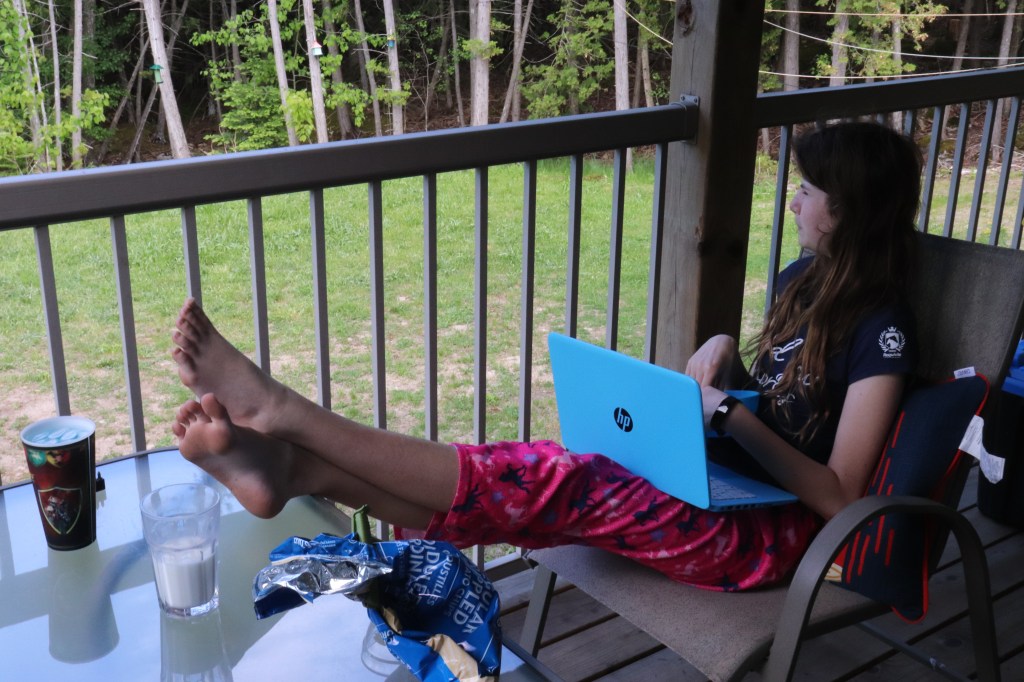
Typical teenager wondering when isolation and online learning will end.
Part Two: Portfolio
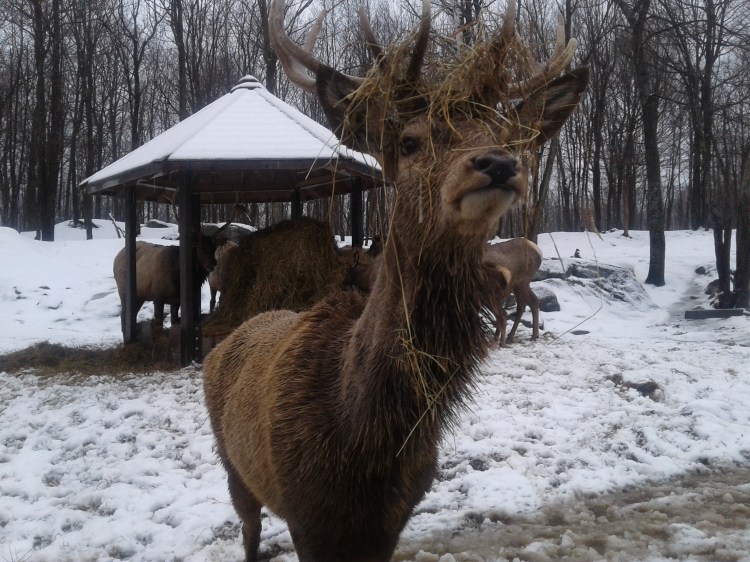
While this might not be the best photo now it certainly was good for my standards before I started doing photography and it’s one of the photos that set me down this path. I think it’s good for a first attempt as I was able to get up close to the deer to take this silly photo. It has lots of nature in it and other deer in the background as well.
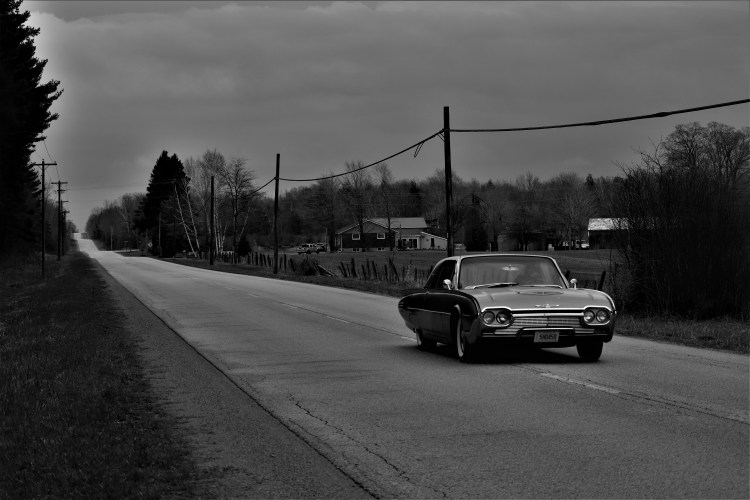
This photo is a result of me messing around with special effects and techniques I learned through my classes, and I discovered how much I can change my photos after I have taken them. I also took what I learned from my previous lessons; the rule of thirds and changing colours. I like that it makes the picture look kind of old. It also shows I am becoming more used to the camera because I took the picture of a moving vehicle without it becoming blurred.
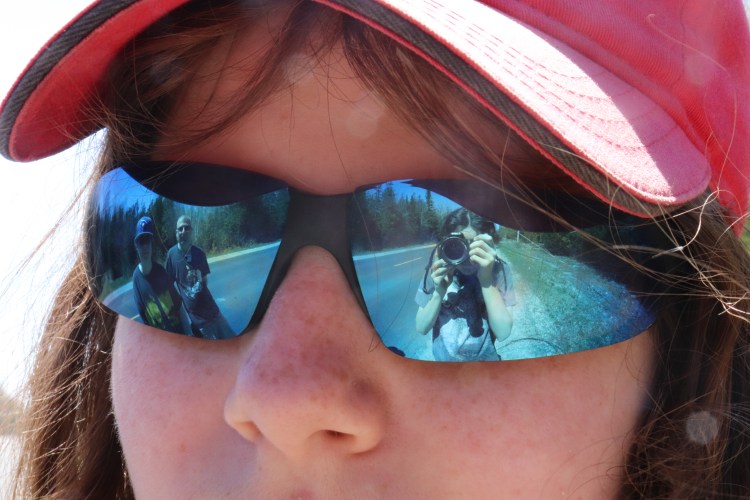
This picture reflects what the last months have been like; daily walks down the road to try and find photos. It contains my whole family without being a boring portrait shot. Everything is in focus, despite the fact I am so close to someone’s face, the reflection from the glasses as well. The reflection also shows quite a bit of the background.
Part Three: Final Project: Photography Career Project
Research Report: Documentary Photographer
- Duties
Documentary photographers take photos of people, places and events. Their photographs are an accurate visual record of history because they don’t direct or influence the photo; they take it how it is; they portray real life. Documentary photography is a form of photography that is used to record events or environments that are significant points in history as well as everyday life, similar to photojournalism.
- Salary Range
The average photographer salary in Canada is $39,000 per year or $20 per hour. Entry level positions start at $21,000 per year while most experienced workers make up to $66,300 per year according to Neuvoo.
- Prerequisites
- Education
There are no actual requirements to become a documentary photographer, but it is recommended that photographers should have a degree or a diploma in this highly competitive line of work. An option is a Bachelor in Fine Arts degree from universities such as Ryerson in Ontario, and some experience or a diploma in Photography from a college such as Fanshawe.
For a Bachelor of Fine Arts in Image Arts: Photography Studies at Ryerson you require your Ontario Secondary School Diploma (OSSD) or equivalent with a minimum of six Grade 12 U or M courses including a minimum overall average of 70% with English/anglais (ENG4U/EAE4U preferred).
For a diploma in Photography at Fanshawe you require your OSSD with courses from the College (C), University (U), University/College (M), or Open (O) stream with a recommended academic preparation of Grade 11 or Grade 12 Foundations for College Mathematics (C), Grade 12 Business and Technological Communication (O), Grade 11 or Grade 12 Communications Technology (M) and Grade 12 Media Arts (M).
- Experience
To become a documentary photographer, knowing how to use a camera, having knowledge of story-telling and how to write articles will help as the photographers are trying to tell a story with their photos.
- Skills
Some skills for a documentary photographer required would be research skills (such as Latin and common names of plant and animal species for documenting nature), people skills (holding conversations about the subjects you are photographing), knowledge of captioning photographs, business administration, outdoor survival skills, self-advocacy skills to be able to sell photographs and lots of patience to wait around to get correct angles and the chance to get that spectacular shot.
- Employment prospects
From my own experience of a wild dolphin tour I know that employment prospects could include working for an organization such as Clearwater Marine Aquarium, Florida where photographers would photograph different markings on dolphin fins to establish an understanding of dolphin movements and have knowledge on the animals in the instance of a major oil spill for example. Other employment could be working for a nature photography magazine such as National Geographic, taking photos of crime scenes for the government, or become part of a forensics team.
- Advancement prospects
Photographers often start their careers as interns, assistants, or related positions gaining experience as they learn their trade.
- Ideas and tips for entry into profession
To take great photos, one must understand what is happening around them. This means that photographers will have to make a commitment to spend time with their subject. Because documentary photographers are documenting an event or series of events, they are not held to a time limit, and a project could take years, allowing them to be able to take their time. Use as much time as you feel necessary to really capture what it is you want to show others. In case an opportunity for a perfect photo passes in front of you, it is always a smart idea to have a camera ready to go. If you do manage to get that perfect photo it’s important to make copies of it and upload/save them to different devices, after all you wouldn’t want to lose such a great photo by accident.
- 3 recent news articles about your chosen career
This Canadian Geographic article shows some stunning photographs from Paul Nicklen, a nature documentary photographer, who documents the Arctic, it’s animals, and their behavior. He hopes to bring the current state of the Arctic to light and challenge myths about its animals. He wants to give a voice to these animals and show everyone the danger they are in and show that many animals are not as dangerous as they seem.
Nicklen, P. “Turning the Tide.” Canadian Geographic, vol. 140 no. 1, 2020, pp. 34-43.
The Creativelive blog says that the definition of documentary photography is “the practice of making a photograph which is an accurate representation of its subject”. The article goes on to list a few photographers who have used documentary photography to inspire social change. It finishes off by giving the reader advice and different tips about documentary photography: getting to know your subject, back up your as projects can take a long time and explore subjects that interest you.
Gregg, R. “The Beginner’s Guide to Documentary Photography.” Creativelive Blog, 2018, http://www.creativelive.com/blog/documentary-photography/
An article by the Royal Ontario Museum explains some challenges of documenting wildlife. People who see these photographs may sometimes not realize that it may take days, weeks, or even months for the animals to get used to human presence and to get a photo that shows the animals in their habitats. Photographers go through these challenges to try and get others to care about what is happening to the animals.
Royal Ontario Museum. “Challenges of Wildlife Photography.” Royal Ontario Museum, http://www.rom.on.ca/en/collections-research/magazine/challenges-of-wildlife-photography
Sources:
“Challenges of Wildlife Photography”. Royal Ontario Museum. www.rom.on.ca/en/collections-research/magazine/challenges-of-wildlife-photography Accessed 8 June 2020.
“Documentary Photography”. Wikipedia, updated 24 May 2020, www.en.wikipedia.org/wiki/Documentary_photography. Accessed 6 June 2020.
“Education Requirements for a Photographer”. Study.com, August 6. 2019, www.study.com/education_requirements_for_a_photographer.html Accessed 11 June 2020.
Gregg, R. “The Beginner’s Guide to Documentary Photography”. Creativelive, 2018, www.creativelive.com/blog/documentary-photography/ Accessed 7 June 2020.
“Image Arts: Photography Studies (BFA)”. Ryerson University, www.ryerson.ca/programs/undergraduate/photography-studies/#Academic-Requirements Accessed 10 June 2020.
“MLA Formatting and Style Guide”. The Purdue OWL, Purdue U Writing Lab, www.owl.purdue.edu/owl/research_and_citation/mla_style/mla_formatting_and_style_guide/mla_formatting_and_style_guide.html Accessed 13 June 2020.
Monroe, L. “7 Tips to Taking Documentary Photographs”. Clickin Moms, www.clickinmoms.com/blog/7-tips-to-taking-documentary-photography/ Accessed 7 June 2020.
Nicklen, P. “Turning the Tide.” Canadian Geographic, vol. 140 no. 1, 2020, pp. 34-43.
“Photographer Salary in Canada”. Neuvoo, www.neuvoo.ca/salary/?job=Photographer Accessed 10 June 2020.
“Photography”. Fanshawe, www.fanshawec.ca/programs/pht1-photography/next#group_admission Accessed 10 June 2020.
Scott, L. “About Documentary Photography Careers”. Chron, 2020, www.work.chron.com/documentary-photography-careers-16604. Accessed 6 June 2020.
Practical/Creation: Wildlife Documentary
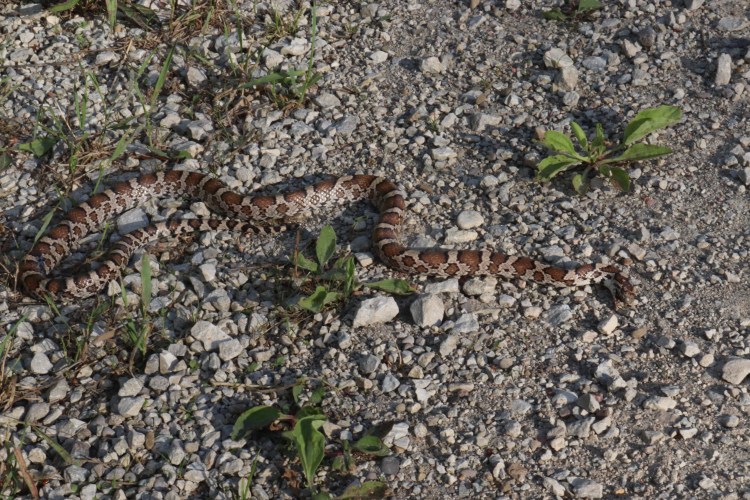
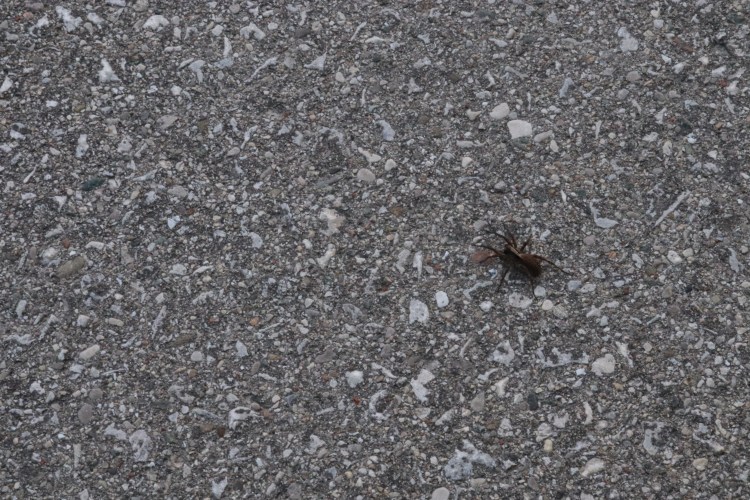
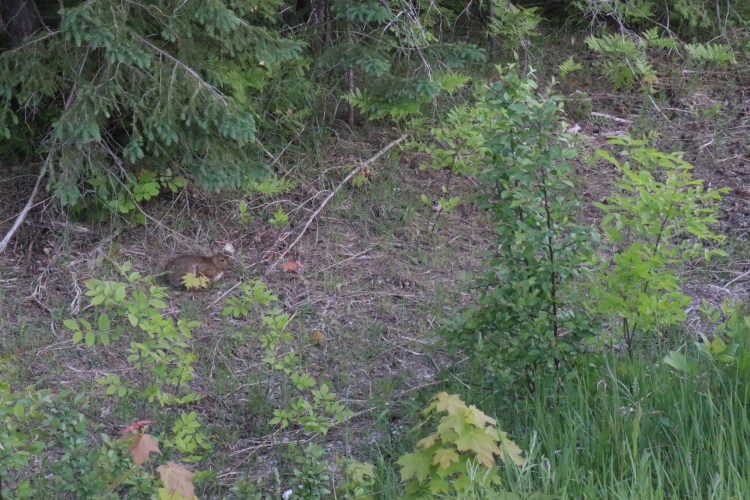
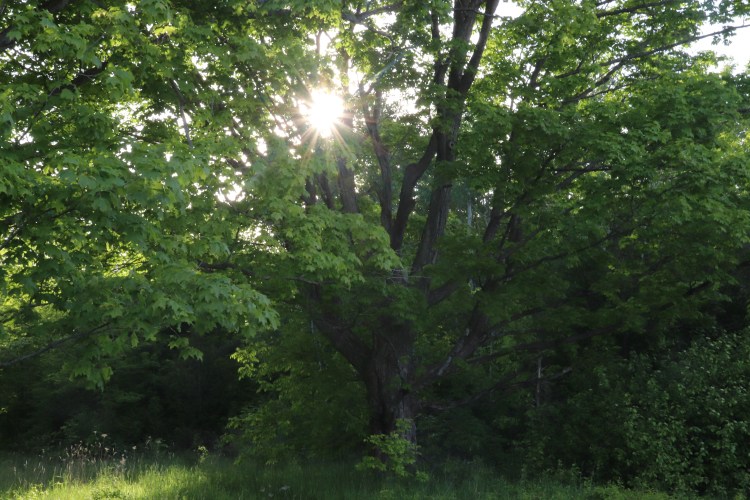
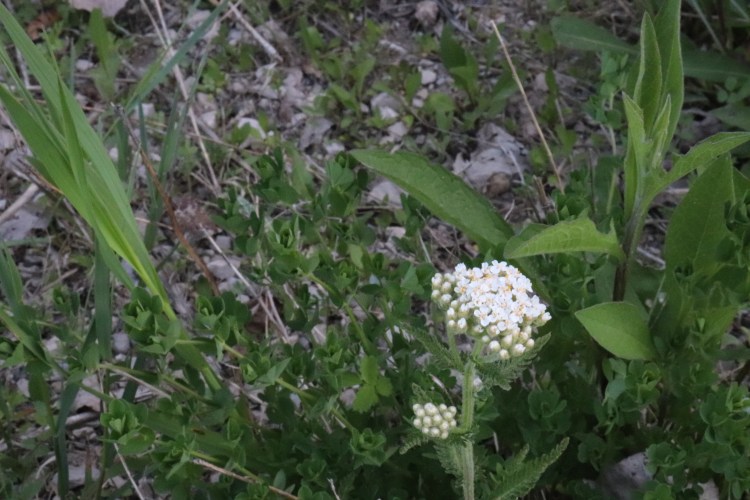
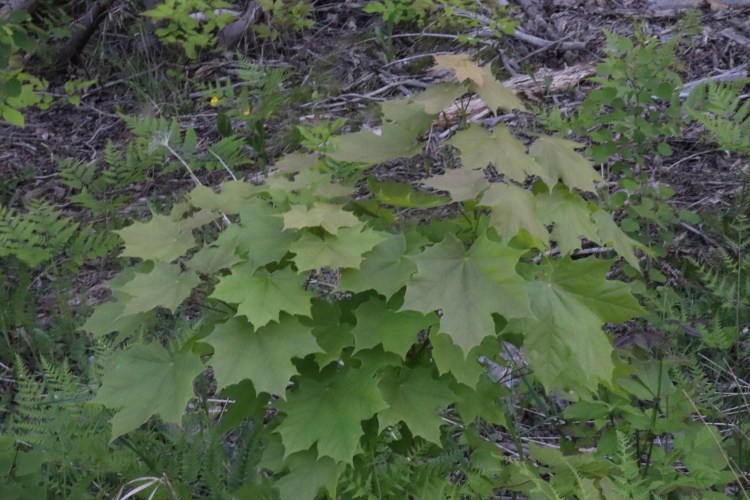
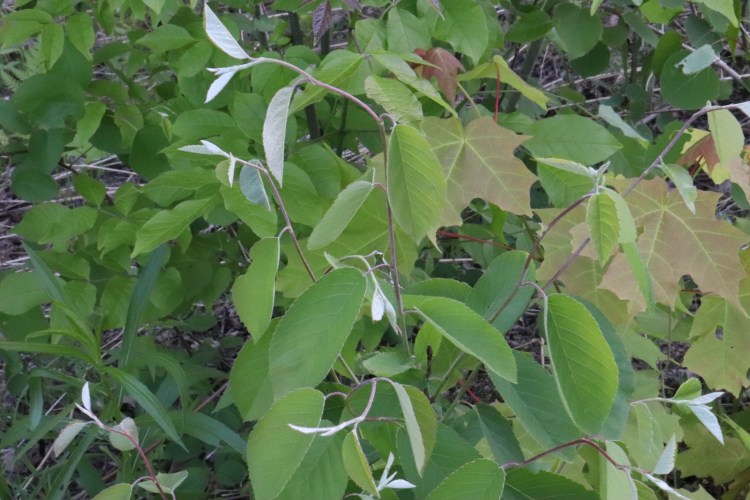
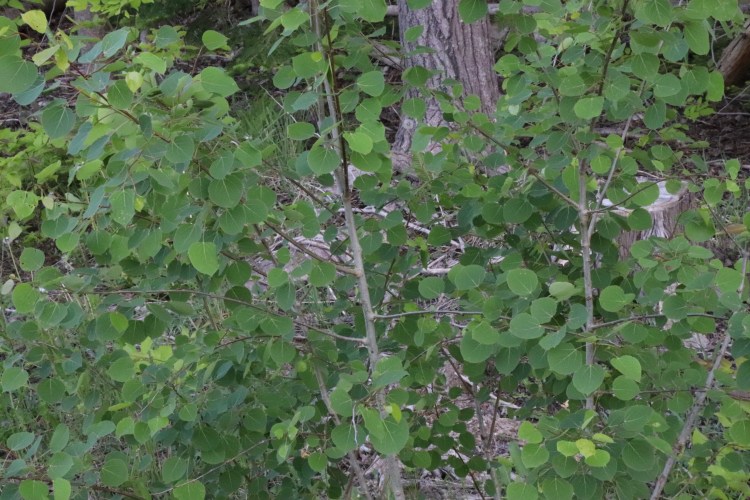
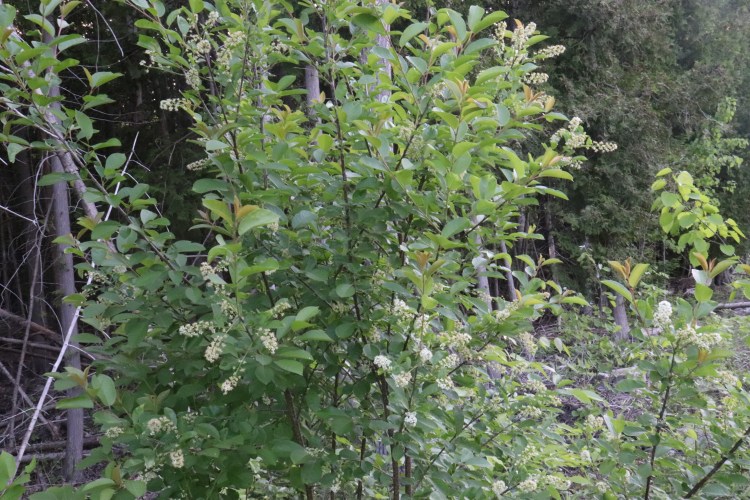
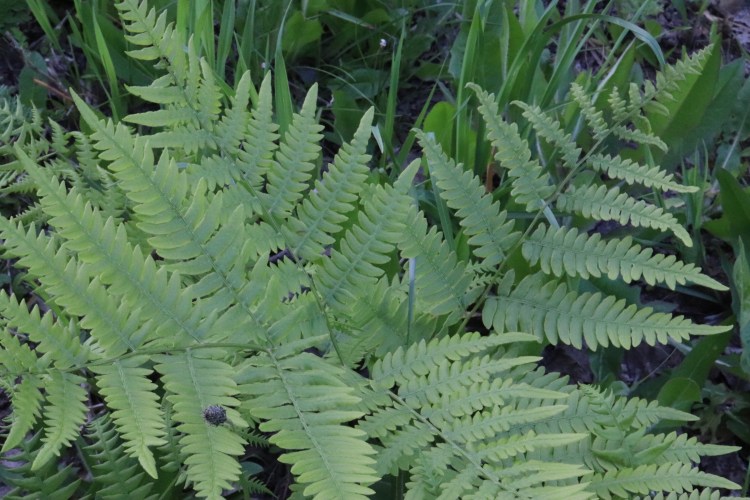
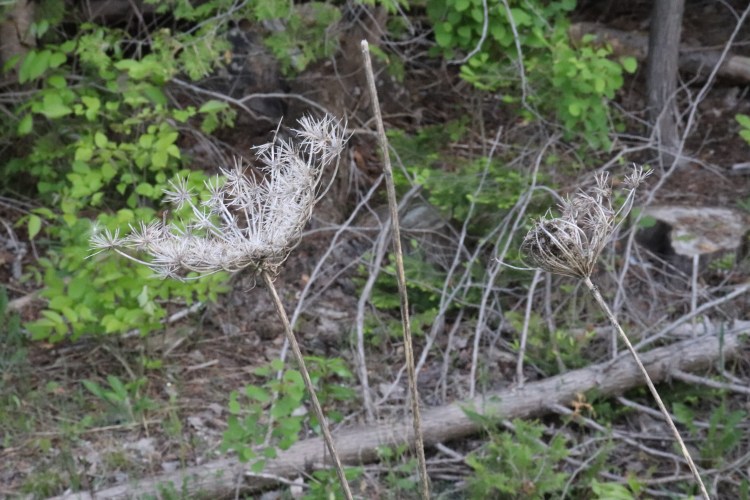
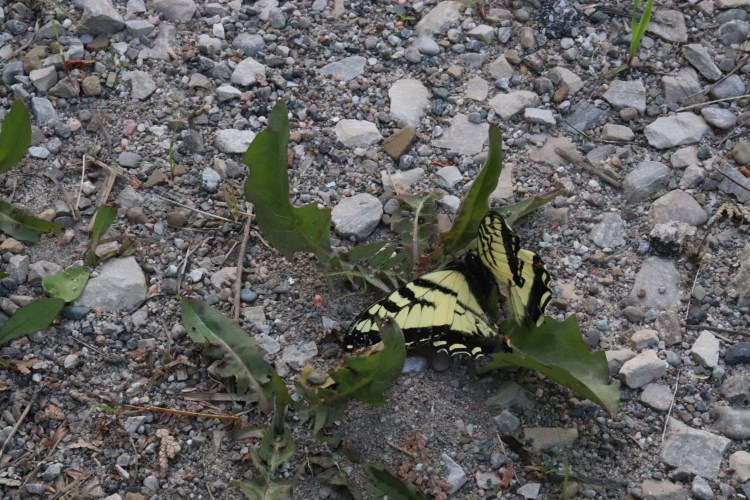
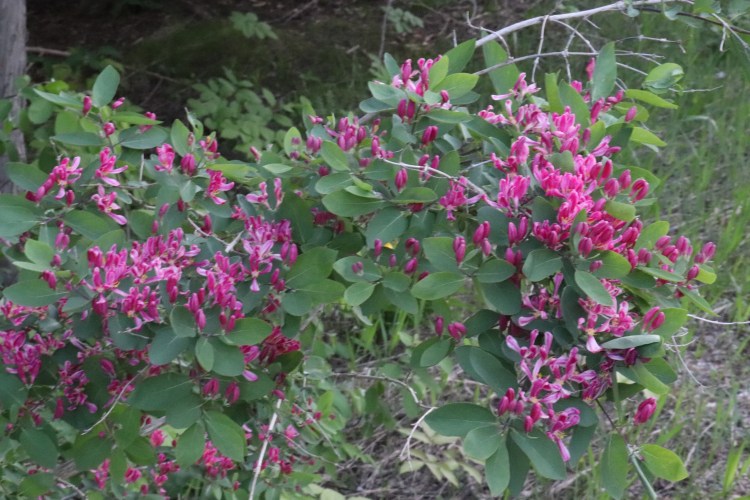
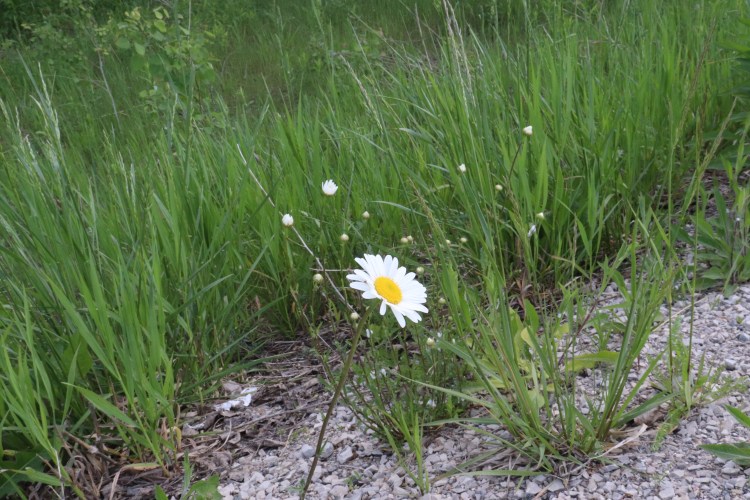
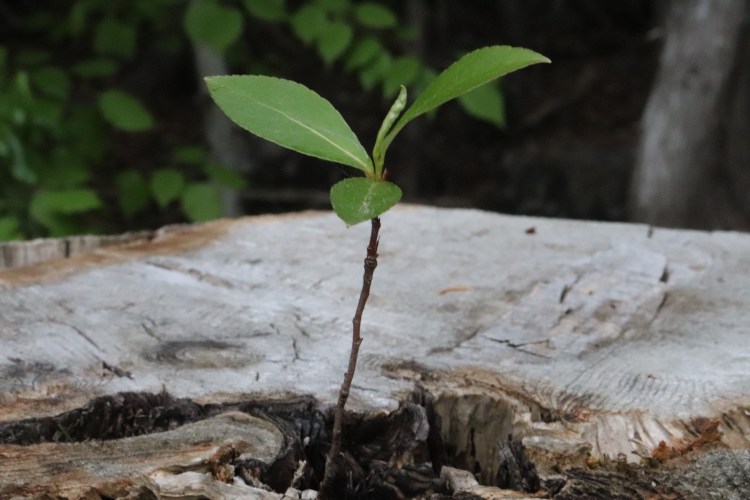
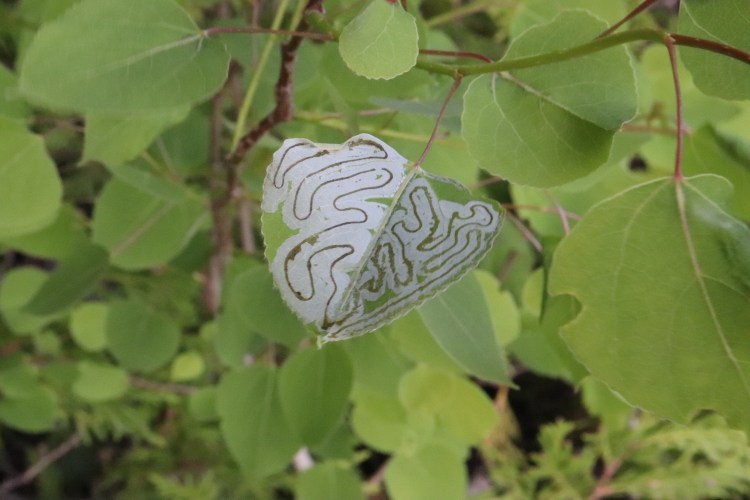
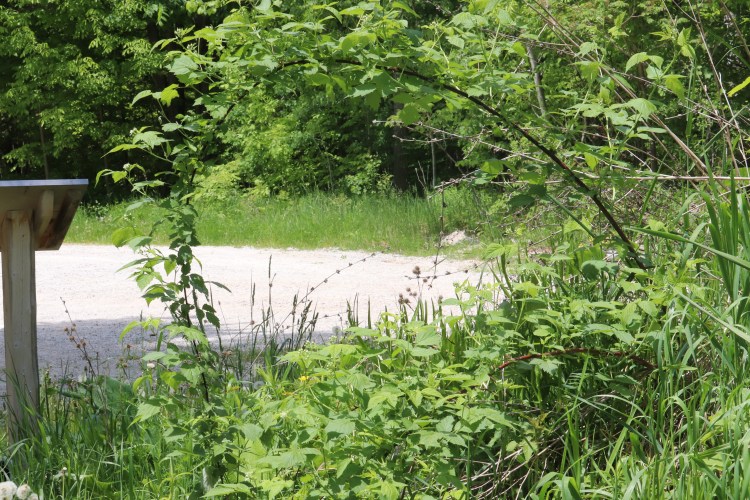
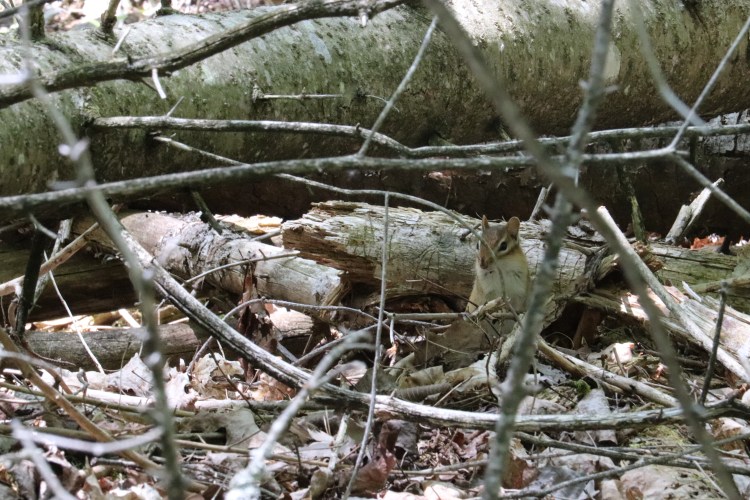
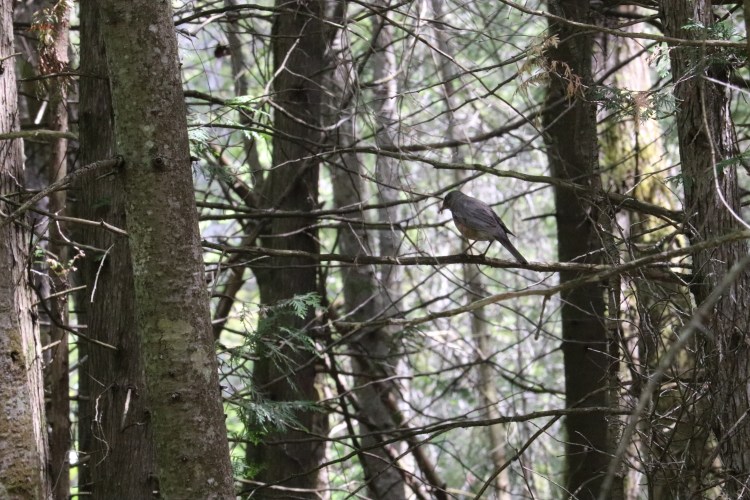
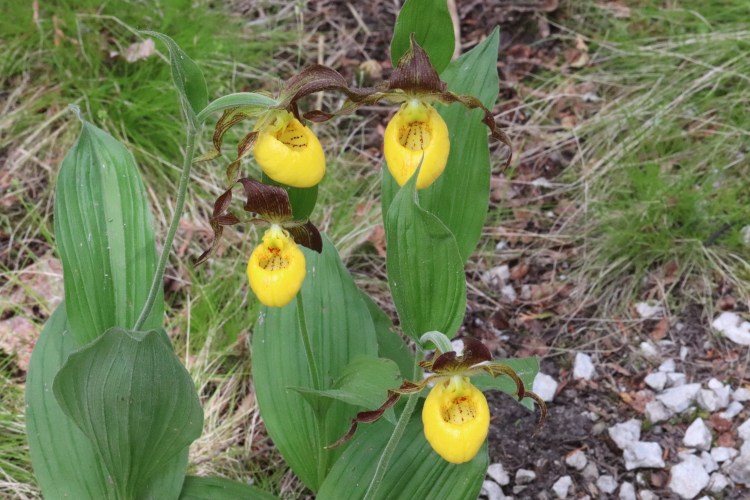
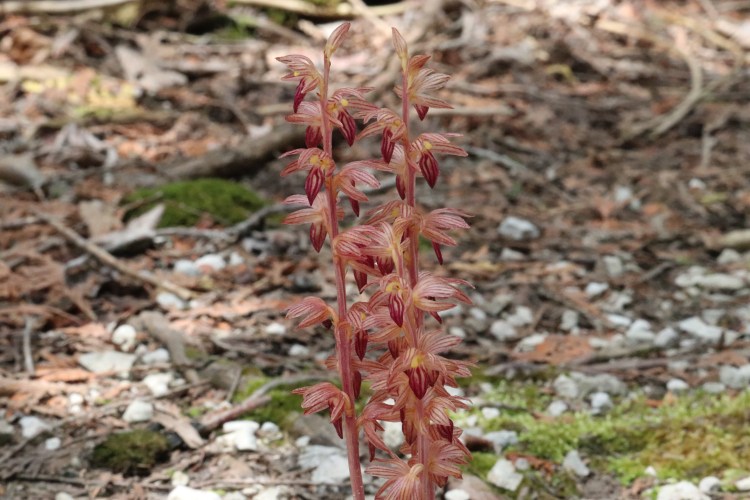
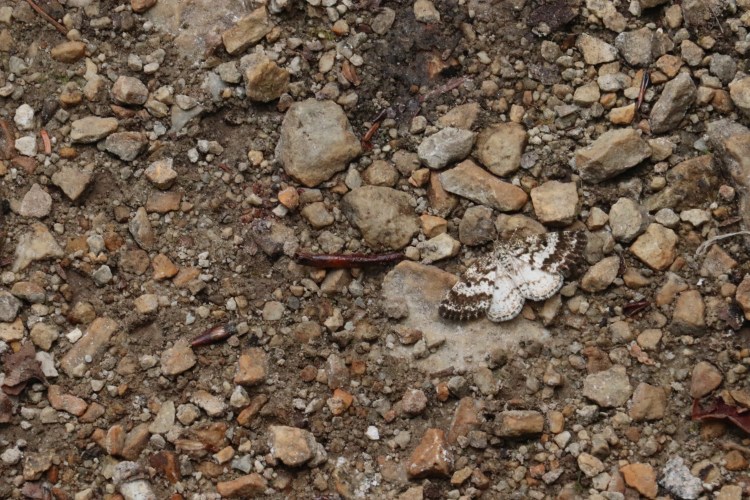
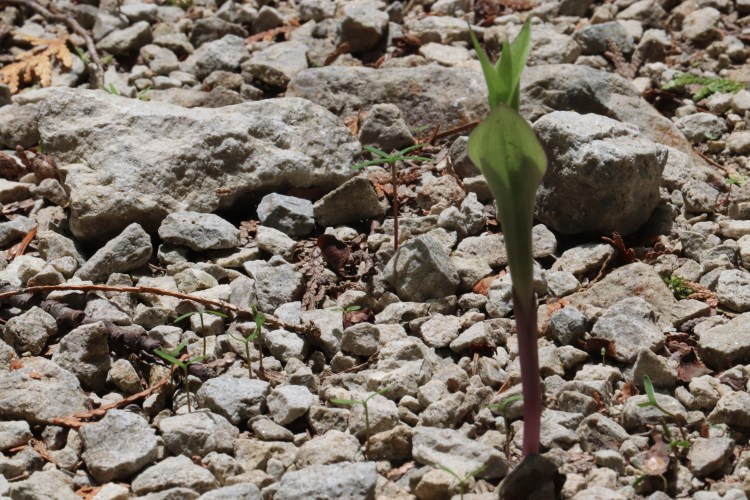
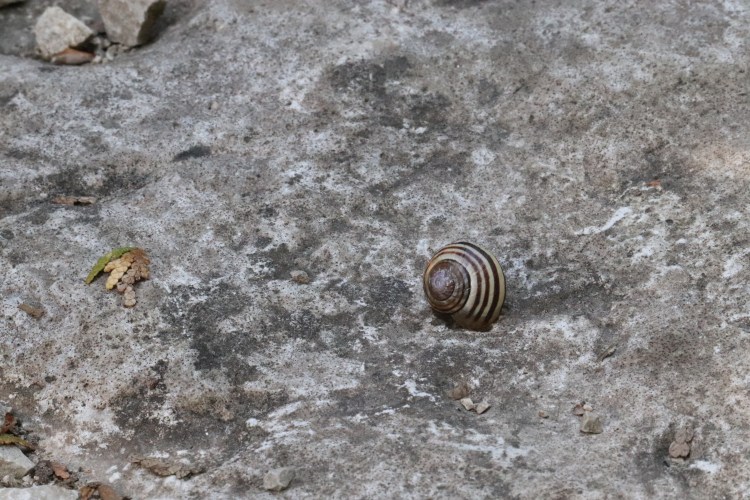
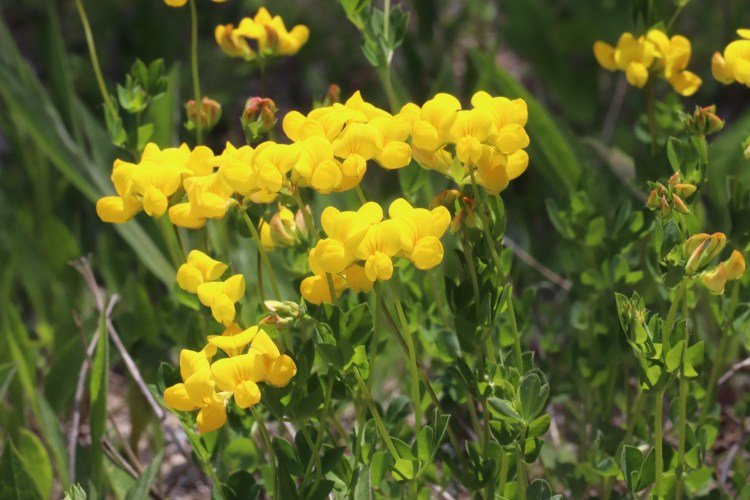
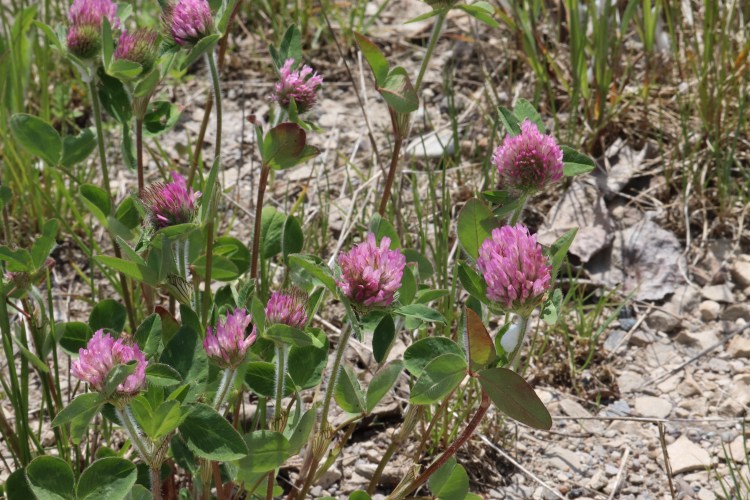
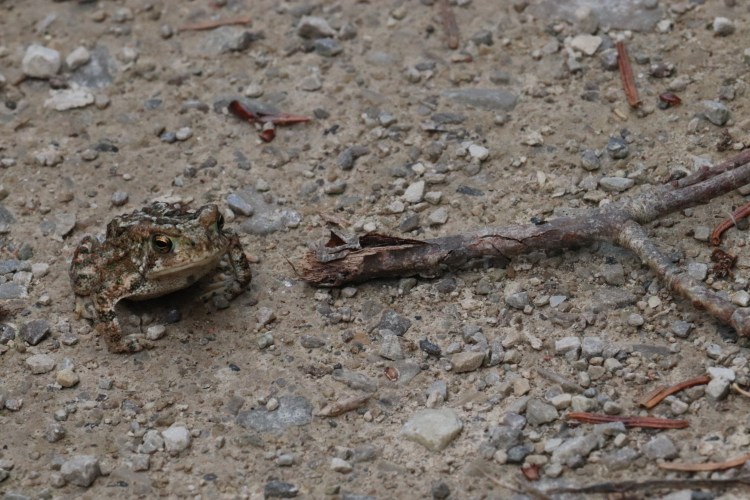
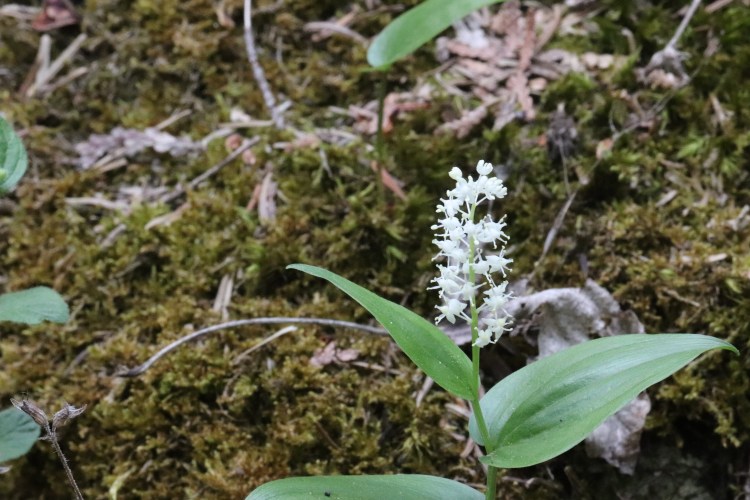
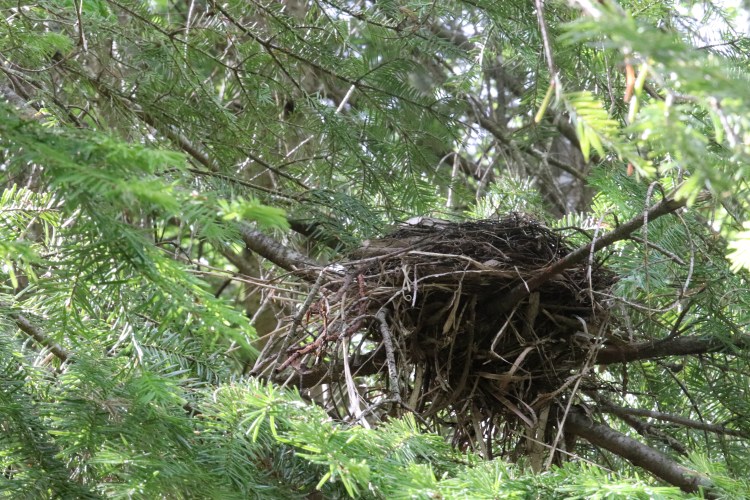
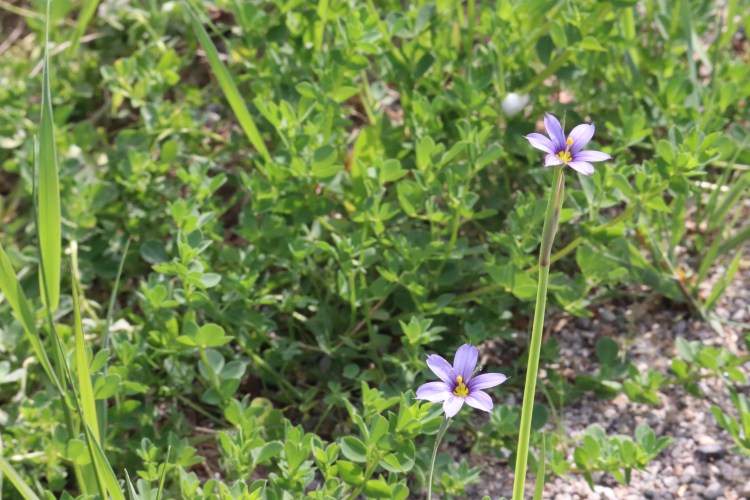
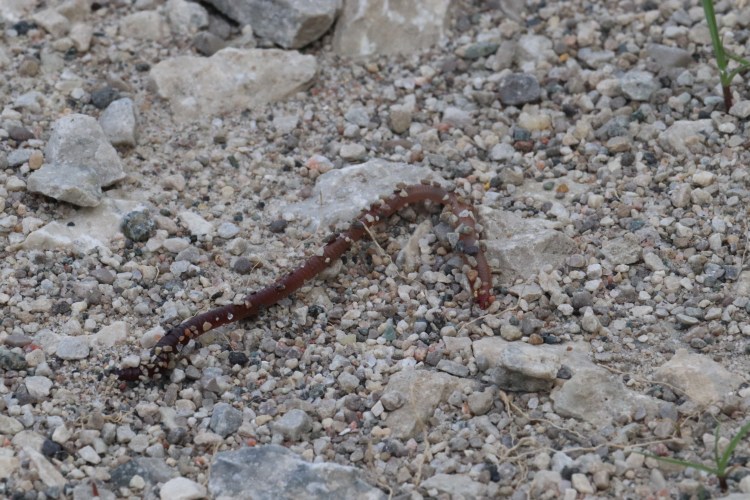
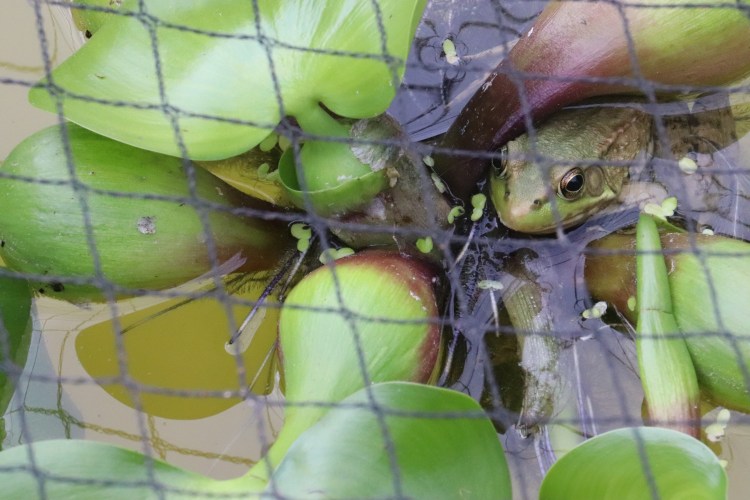
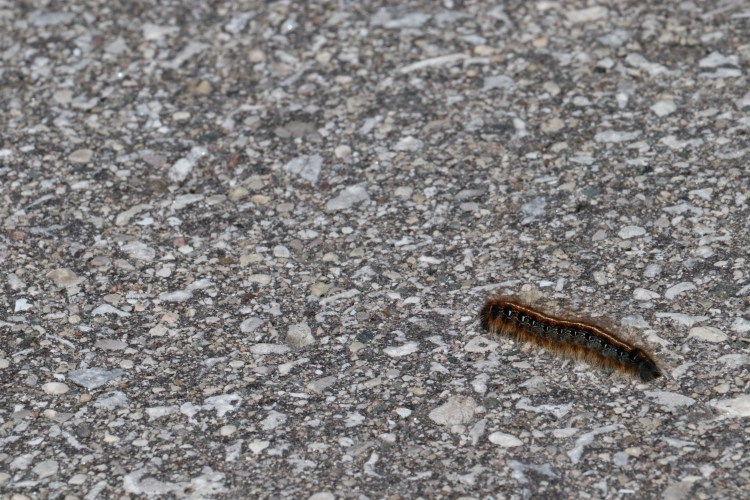
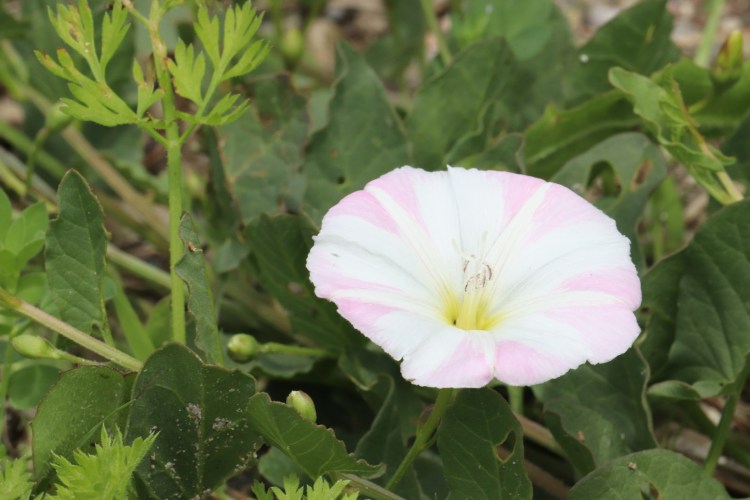
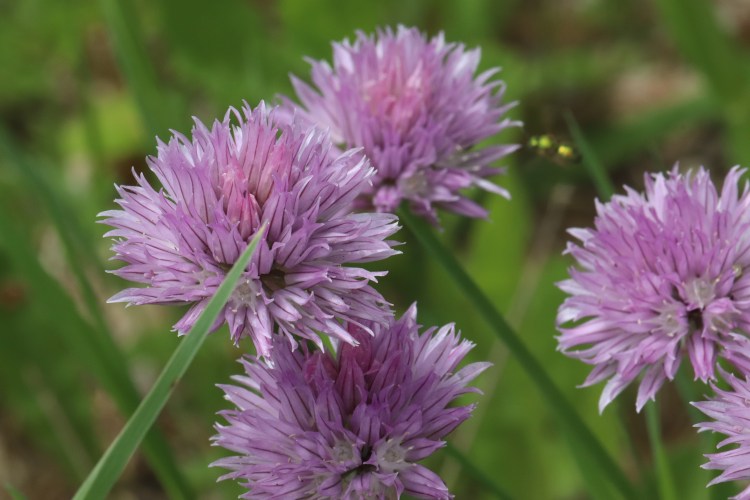
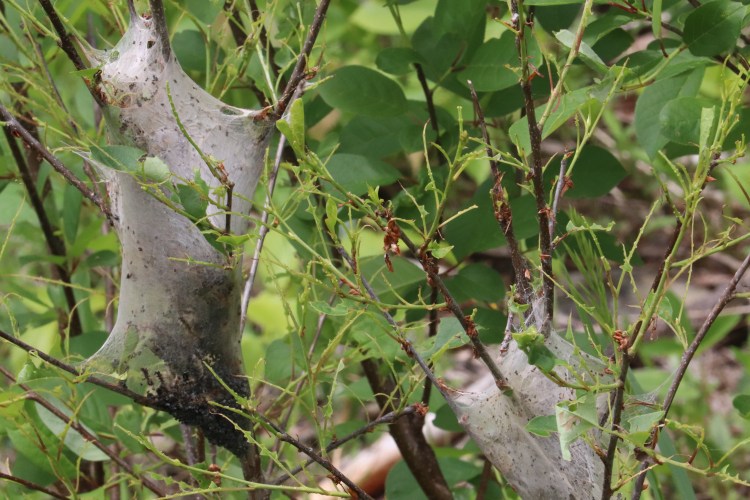
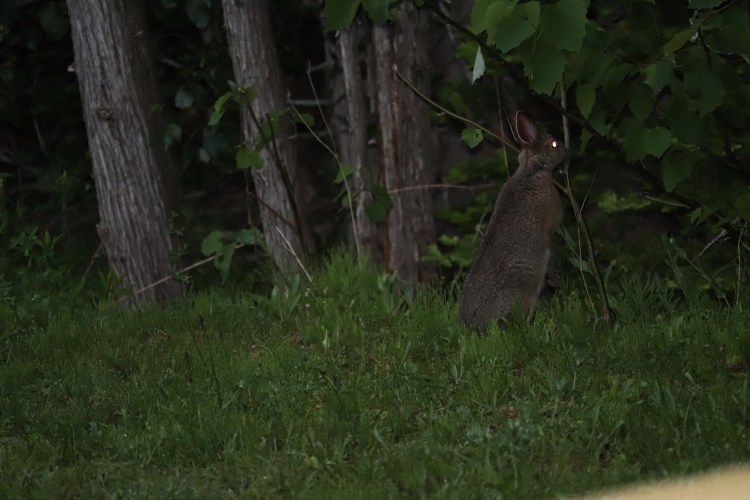
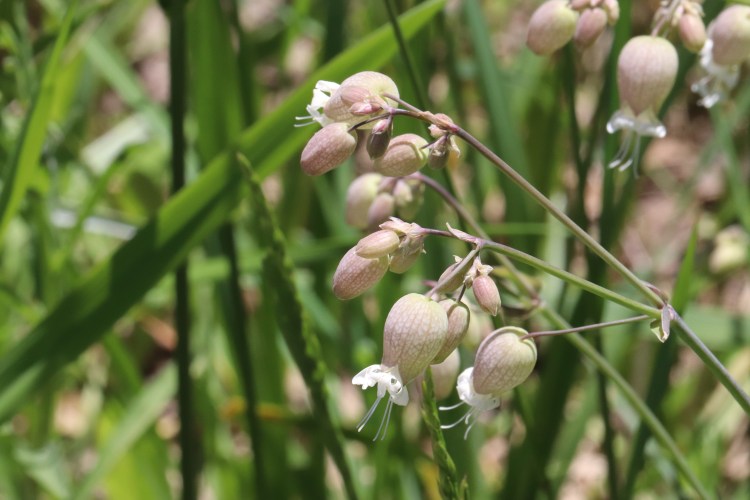
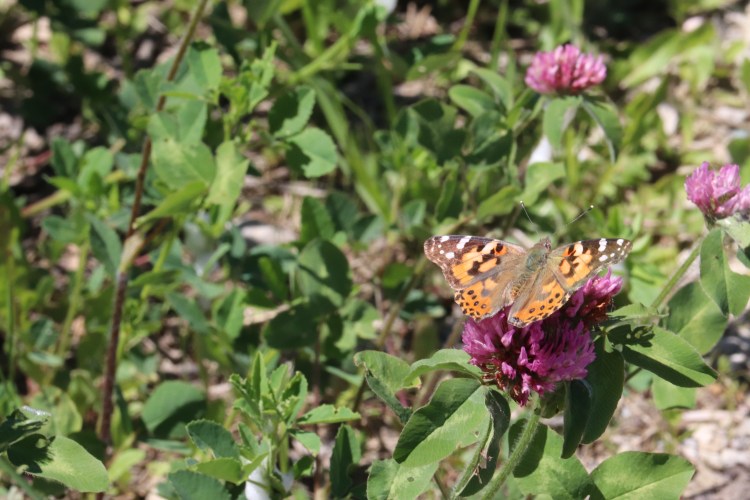
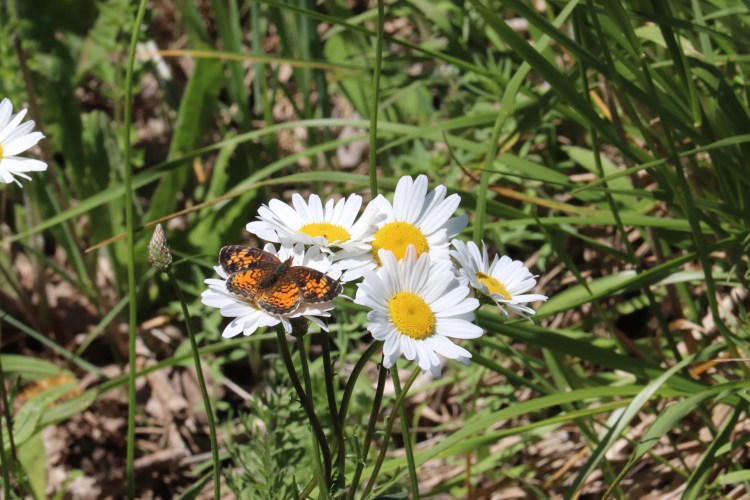
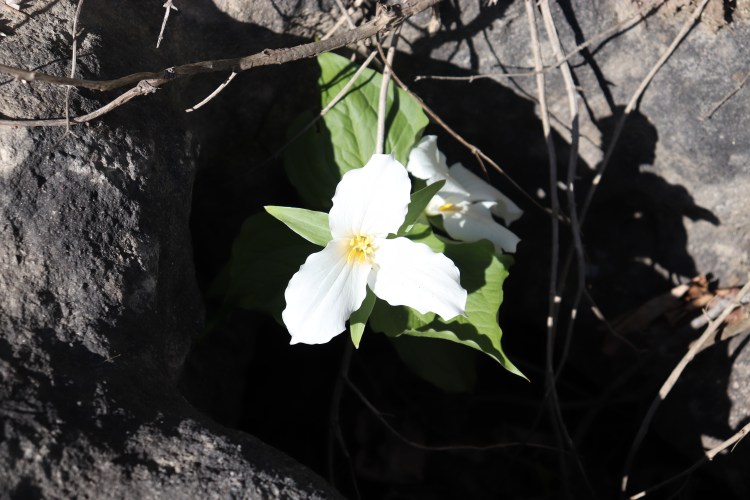
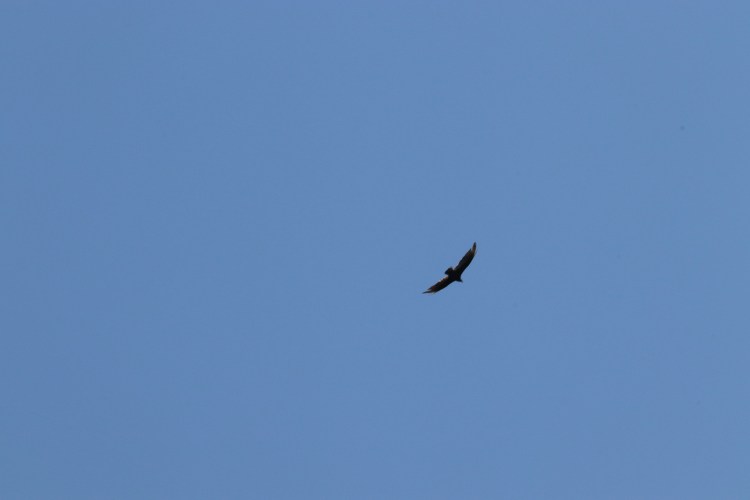
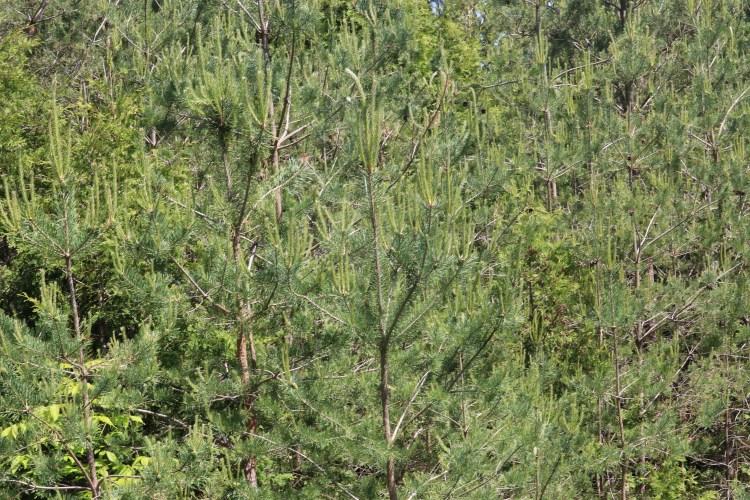
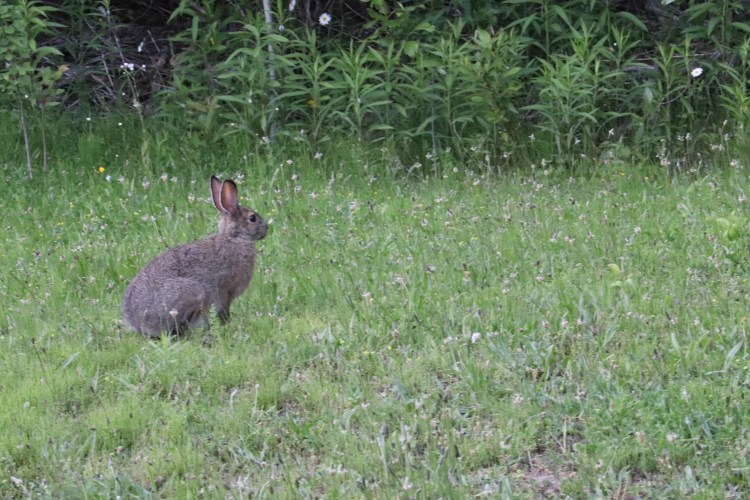
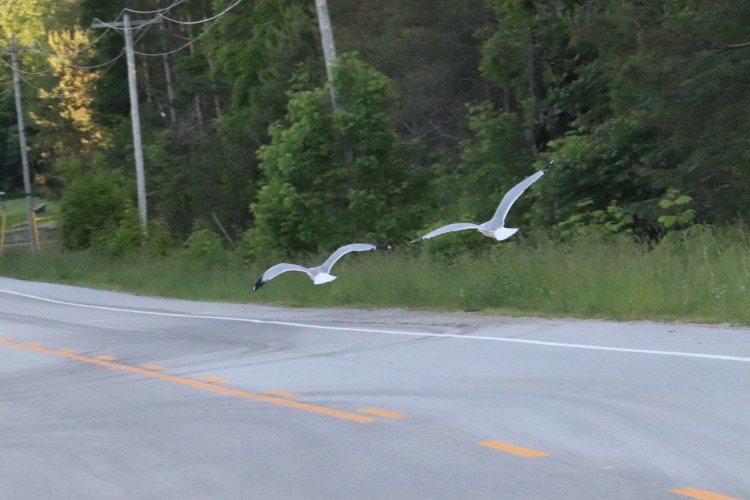
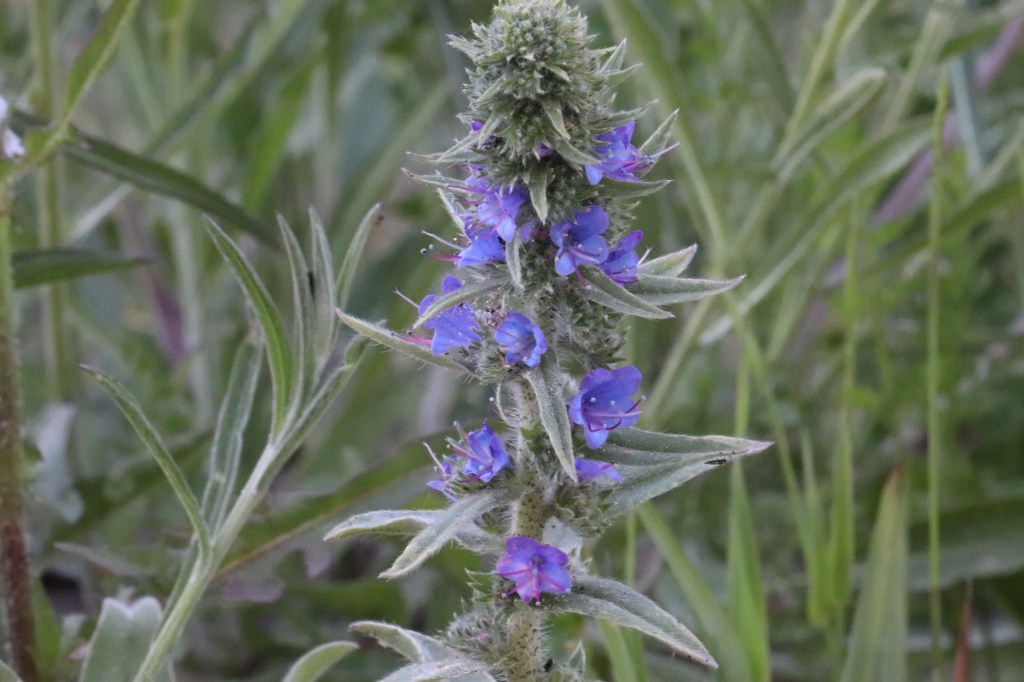
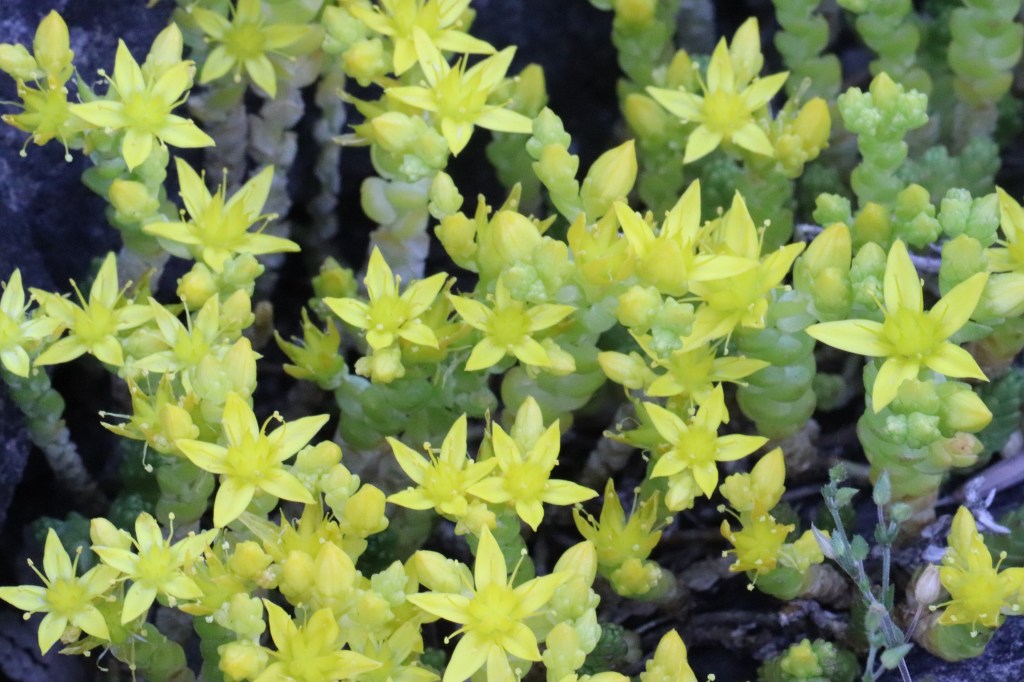
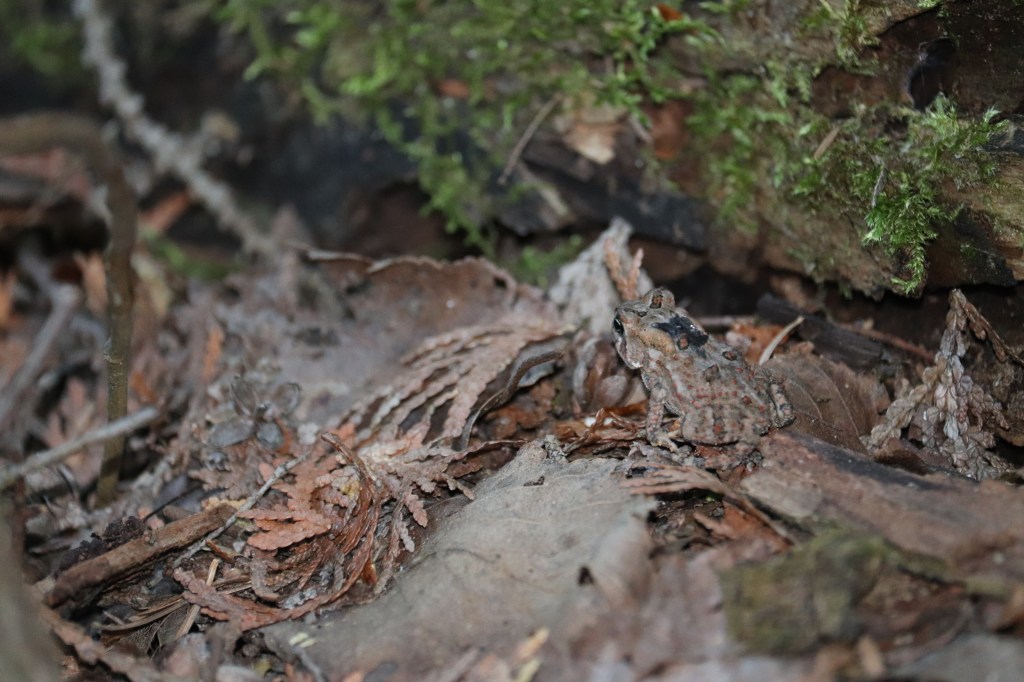
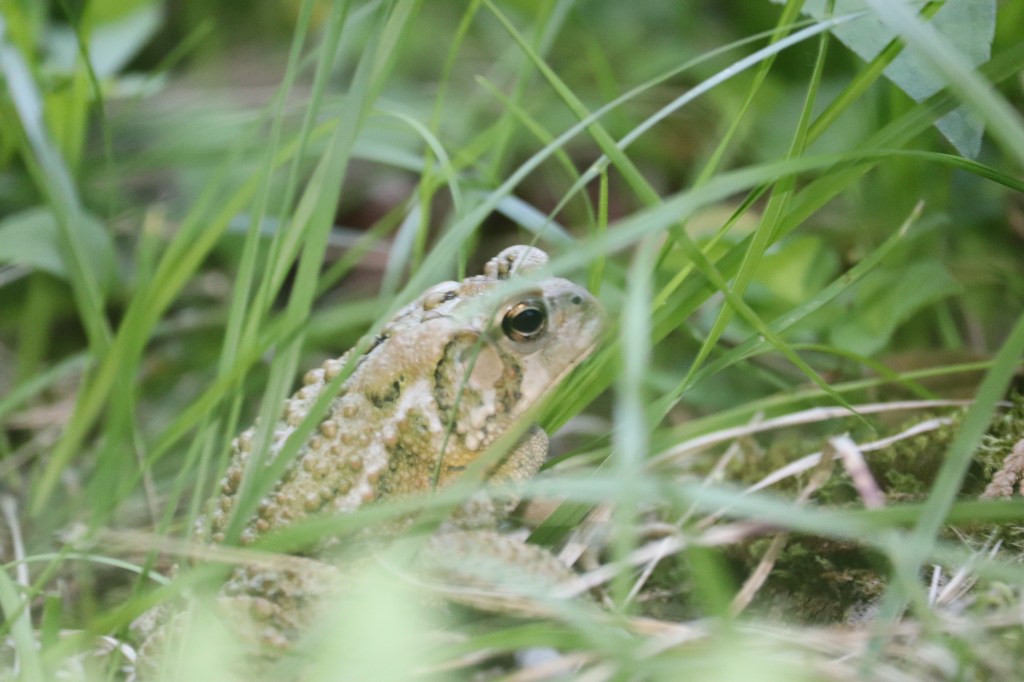
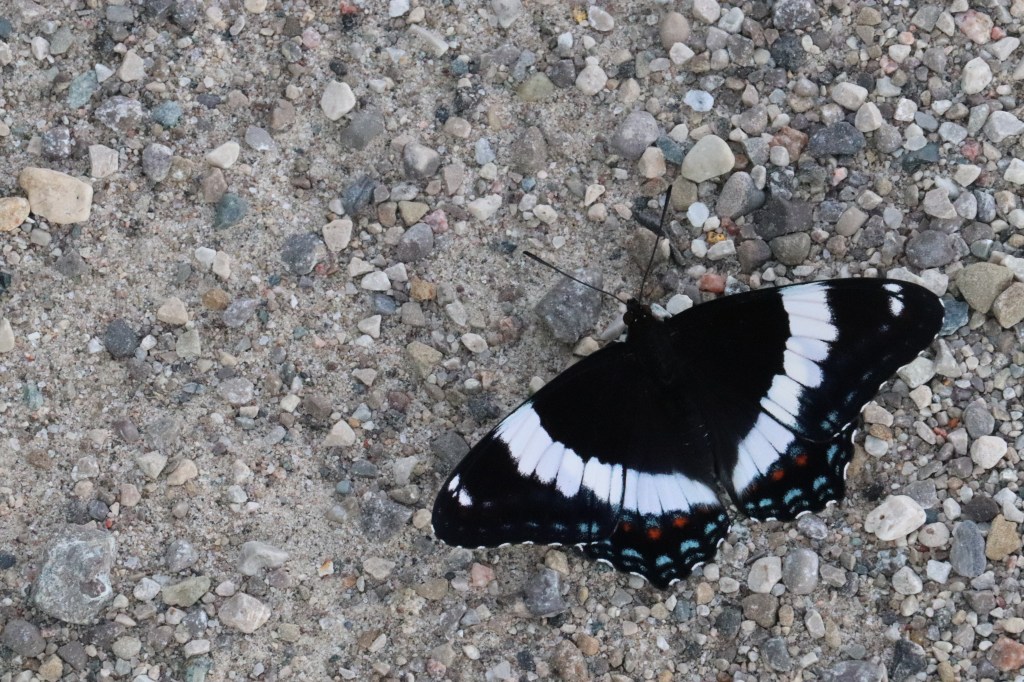
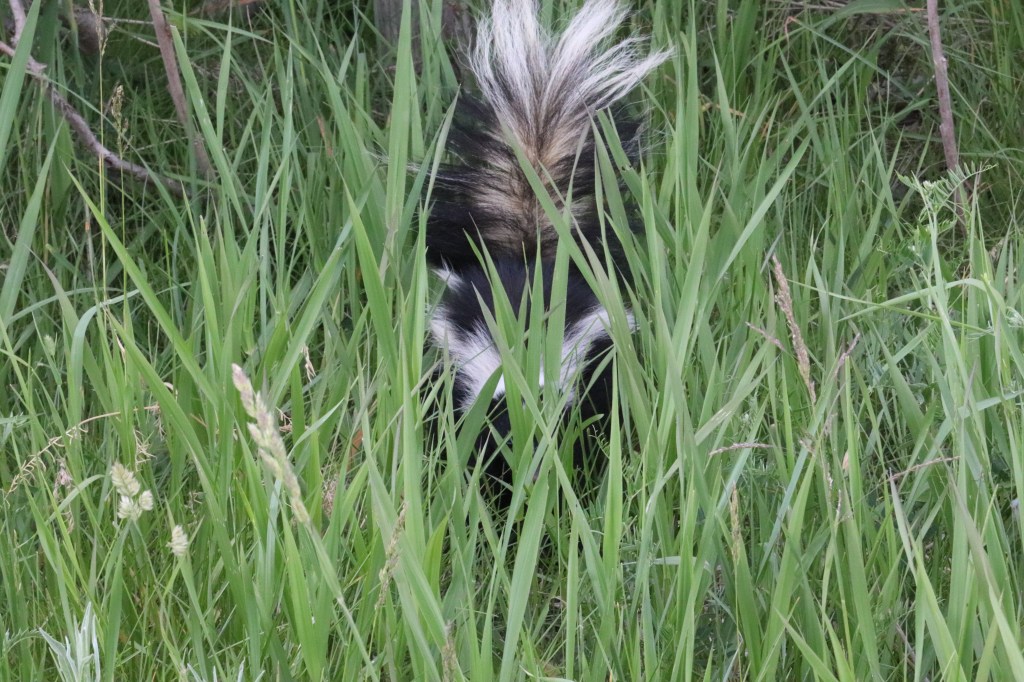
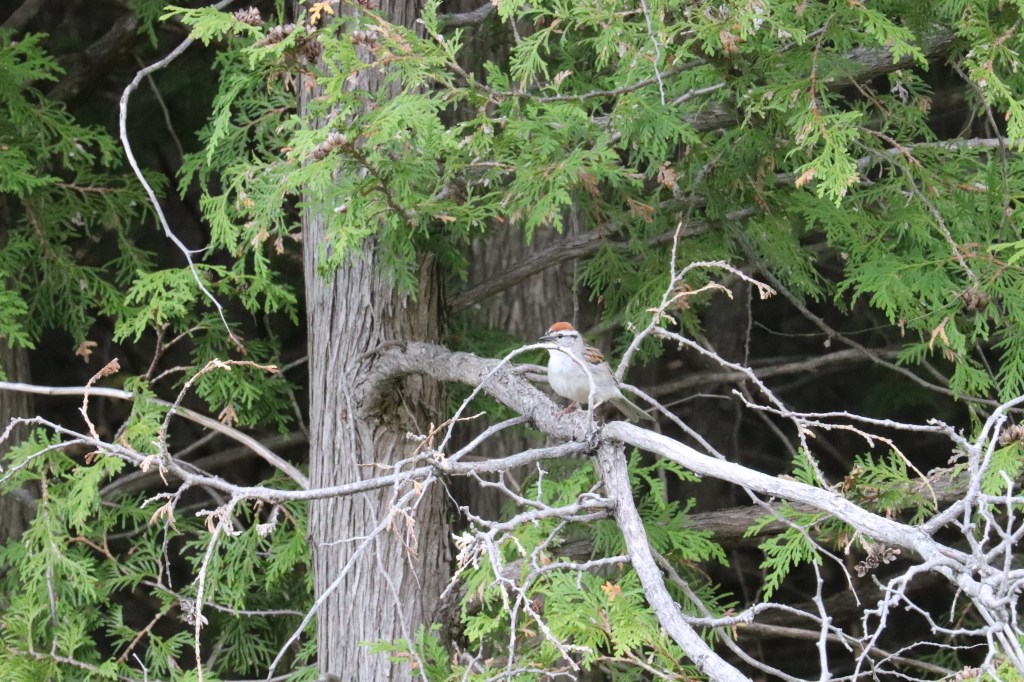
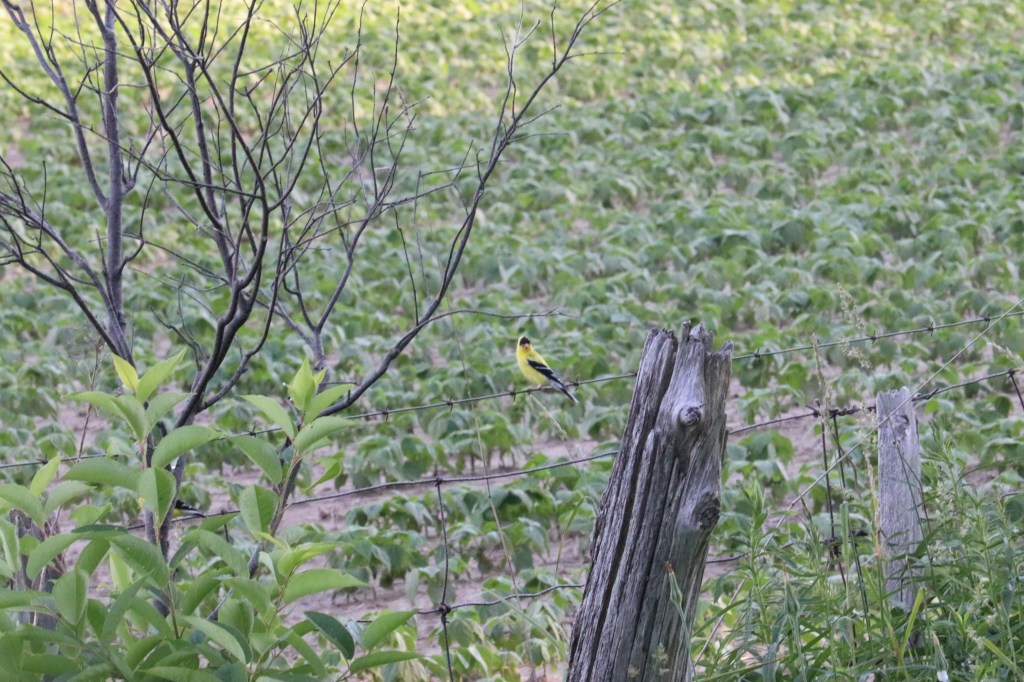
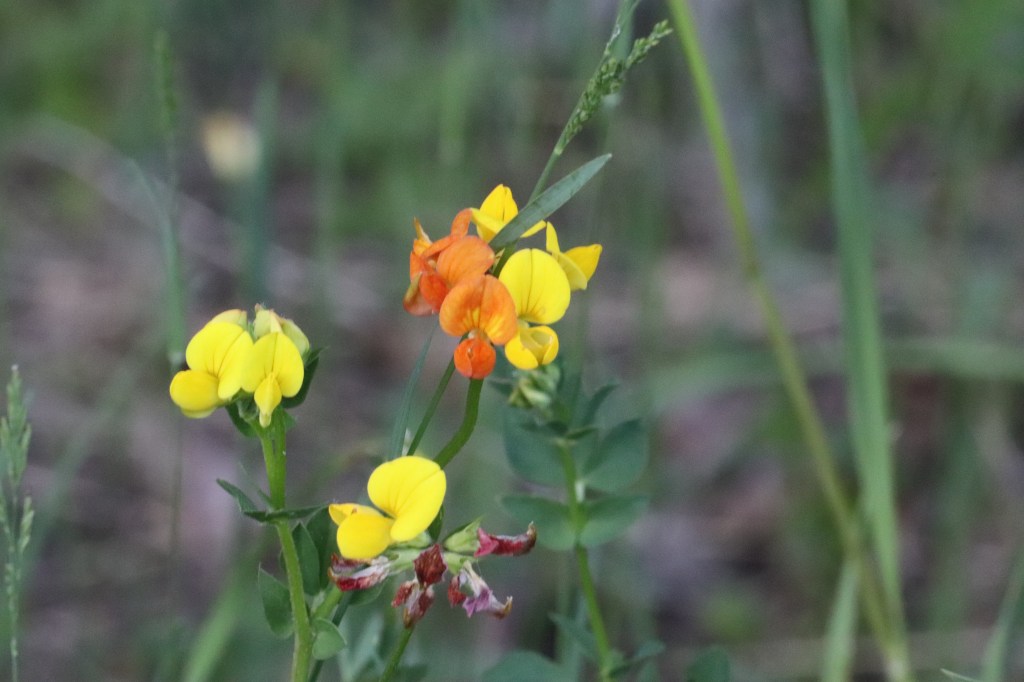
- What is the strength of your finished work?
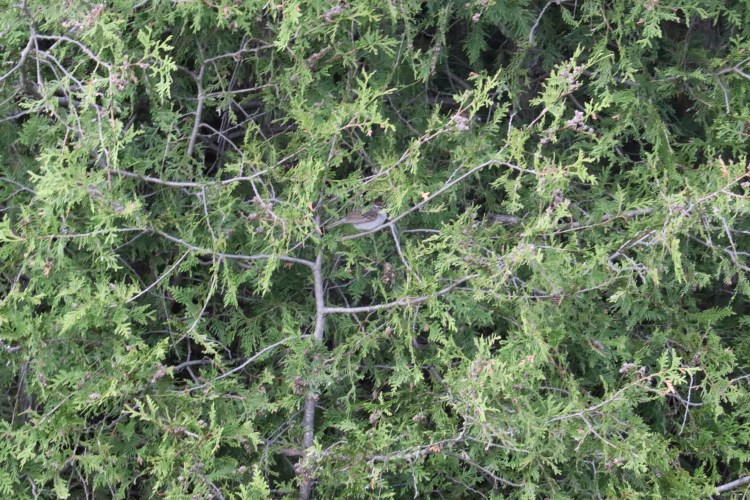
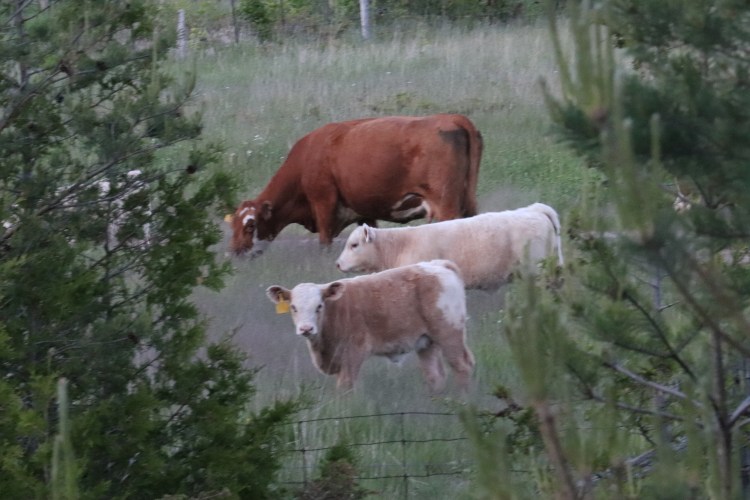
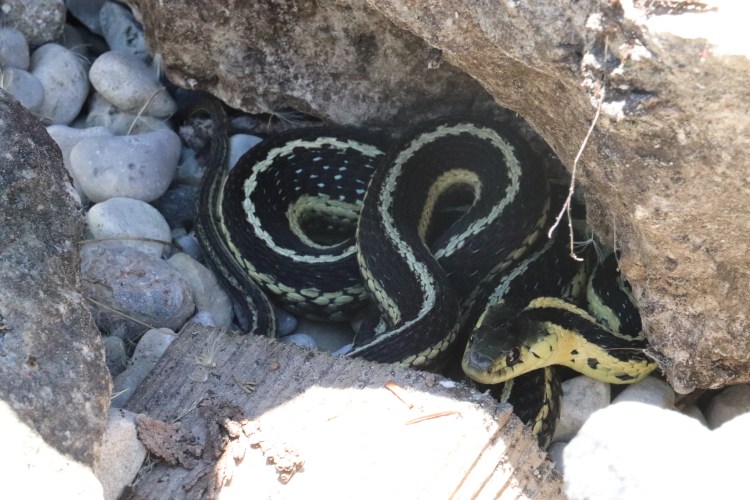
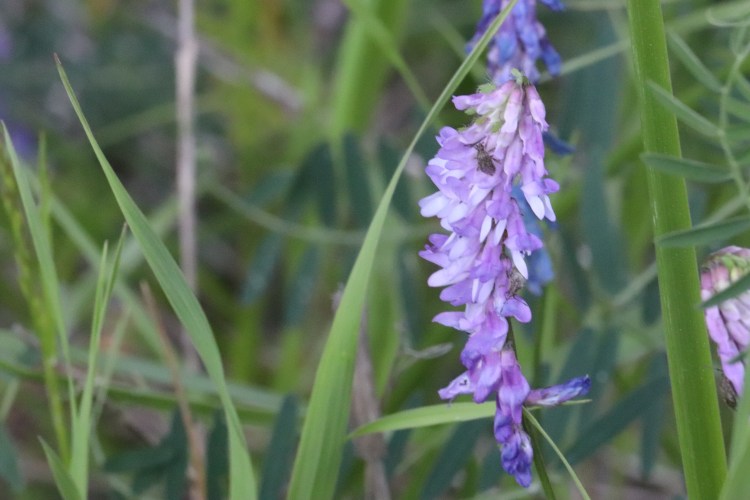
A strength of my finished work is that I have managed to take pictures of a variety of wildlife, using concepts and lessons from my classes such as: rule of thirds, balance, and simplicity.
- What is the weakness of your finished work?
A weakness of my finished work is that although I have a reasonable amount of photos, the majority of them are focused on plant life, and I would have liked to include more animal photos.
- If you had to do this project again, what would you change/improve?
If I had to do this project again, I would like this to be my only focus and to not have work from my other courses, so I could spend large amounts of my time patiently waiting to be able to take photos of animals. This is something that has been made apparent to me from when I have been reading articles about documentary photography; you need to be patient and spend time with your subject.
 Crittall's Captures
I feel like I am repeating myself a lot now, but these culminating activities are incredibly well done. As are many of your photos. I especially like your portfolio choices. Glad you used this time as an opportunity to get better with your camera and photography. You have made fantastic progress.
LikeLike