
Weekly Challenge #3 – Orange
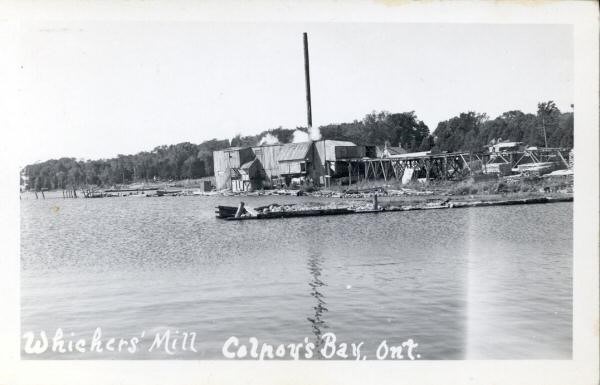
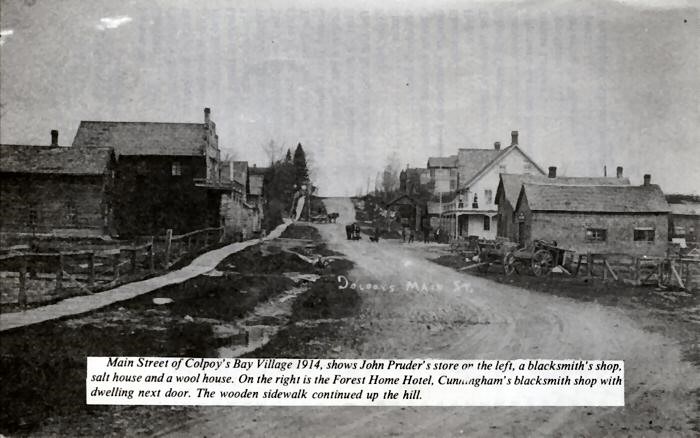
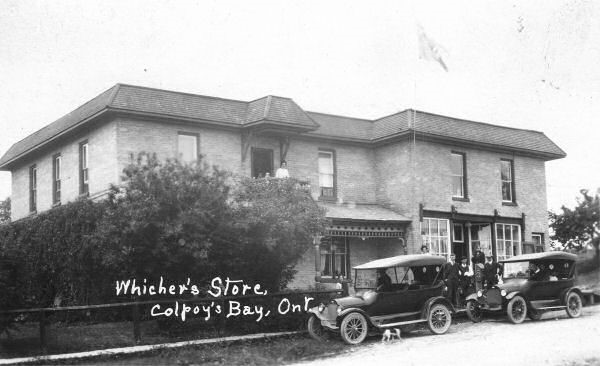
These three photos are all from the town I grew up in called Colpoy’s Bay. I find them all interesting because I never knew much about the town’s history. The wheel of the sawmill is down by the dock and I saw almost everything day, but I never thought much about and it turns out there used to be a sawmill where the wheel stands. Albemarle Street is a street I travelled down most days, and I find it fascinating that we used to have a blacksmith shop and a hotel as there is not much to be seen in Colpoy’s Bay nowadays. Finally, the store is also quite interesting. All my life I never knew what is was, to me it seemed just like a white building on the corner of a street, but it was actually a well-known store and now it can be rented out for residence. All of this was right under my nose and I never knew about it. I guess now I can walk around town imagining all the old buildings and the bustling everyday life of a prospering town compared to the quiet life the town sees now.
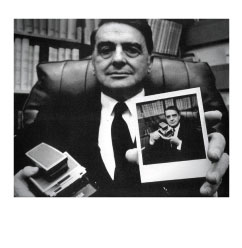
Polaroid, created by Edwin Land, is a company as well as many cameras. The company started in 1937 and combined polarizers with every product the company could get its hands on. Polaroid’s first camera did not actually come out until late 1948, 11 years after the company was founded. Edwin Land’s three year old daughter gave him the idea of instant photography when she asked him why she can’t see the picture he had just taken of her. With their invention of instant photography, Polaroid was making photography more accessible to everyone; there was no need to use a darkroom to create a photo if your camera could do it for you.
In the camera there is a roll of positive and negative paper. When the shutter of the camera opens the image develops on the negative paper. After the image is fully developed, the knob near the bottom of the camera is turned which forces the negative and positive paper to come together and crush a packet of chemicals and spread the chemicals evenly across both layers of paper which helps the photo develop even more. The paper is then pushed out of the camera and is cut away from the rest of film with a paper cutter attached to the camera. After a minute or two the photo is ready and the papers can be peeled apart revealing a positive image and a negative one.

Many companies such as Kodak copied or at least tried to copy Polaroid’s invention of instant photography. However, Polaroid would not stand by and let this happen and sued Kodak for copying their ideas. It took many years but eventually Polaroid won the case and around 900 million dollars.
When instant photography sales started to decline due to new technologies at a lower price such as digital cameras and one hour colour film processing, Polaroid began to fall along side it. The company hit bankruptcy in 2001 but continued to try to bring themselves back to the top. These efforts did not work and Polaroid eventually shut down due to bankruptcy in 2008, but a group of former employees bought a factory in the Netherlands and tried to revive Polaroid in the same year with the new name of the Impossible Project, now known as Polaroid Originals.
https://www.boston.com/uncategorized/noprimarytagmatch/2012/10/03/history-of-polaroid-and-edwin-land
https://www.polaroid.com/history
Polaroid introduces the instant camera, February 21, 1947

My first experience with snow when I was 10 months old in England. England does not get much snow even so I do not look to impressed with it in this photo. Little did I know in four months time I would be permanently living in Canada, a place with much more snow and colder winters.


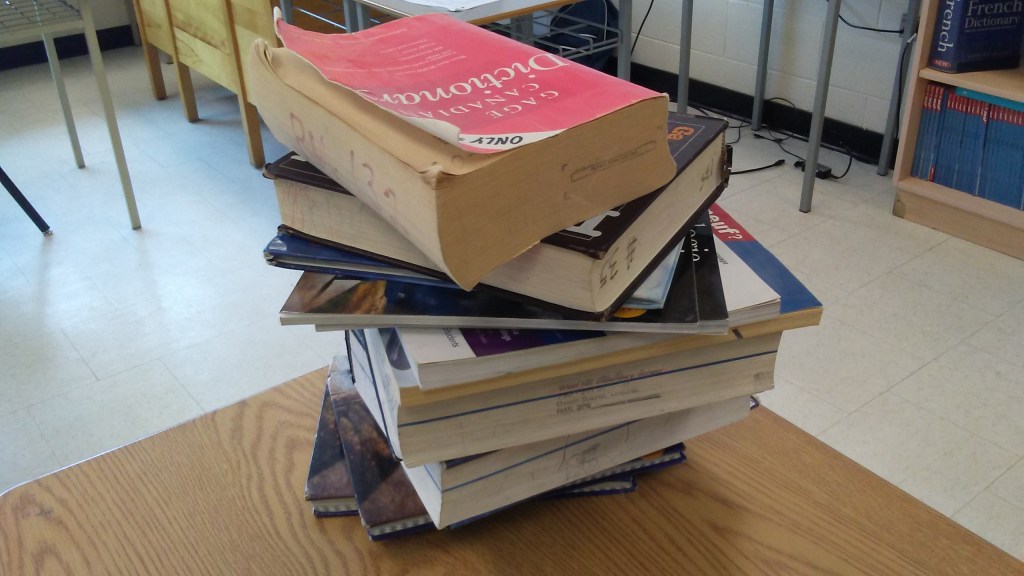
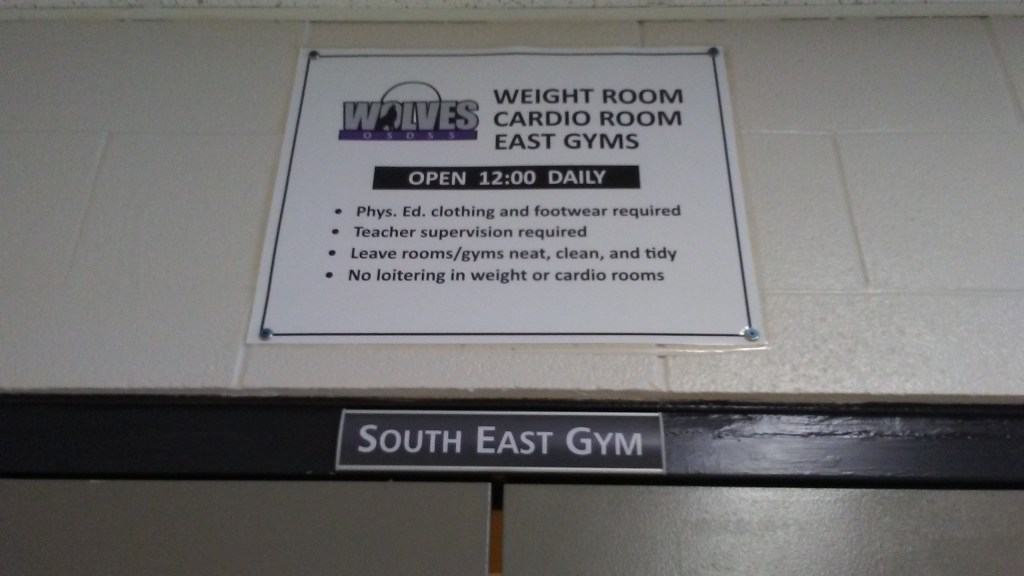
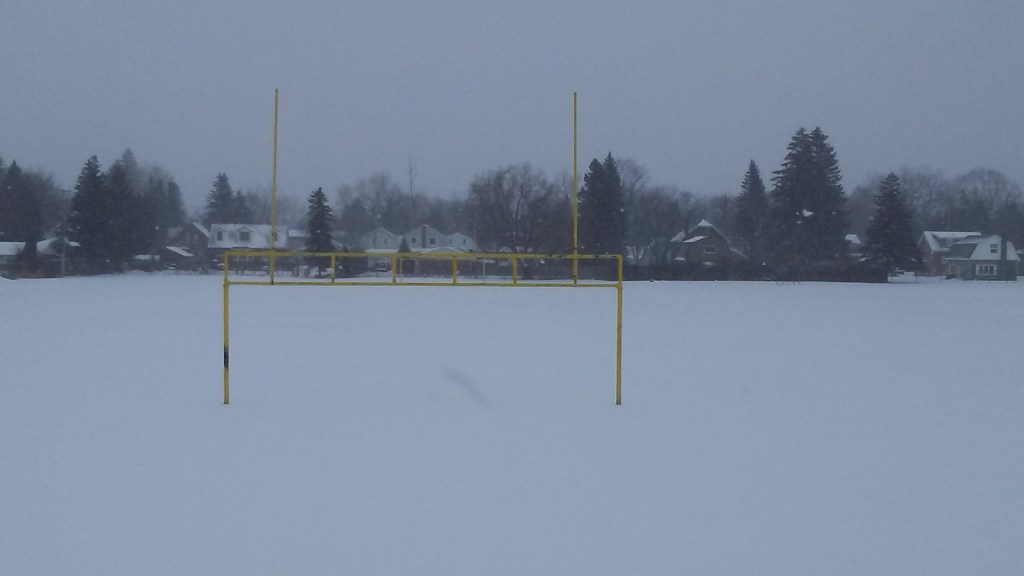
If there was a life without photography my house would be completely bare as there are photos covering most of the walls. I would not be able to look back on my childhood memories as scrapbooks would not exist. Everything I would like to remember would have to be written down because I could not take photos of notes or special moments. I would not be able to send postcards to my friends and family with pictures of all the places I have been, I would have to rely on writing them letters with lots of detail.
Doctors would not rely on exploratory surgeries to figure out what is wrong with patients because they would not be able to put a camera into a patient’s body. They would not be able to diagnose cancer as easily without MRI scans. There would be no X-rays to help doctors tell the difference between broken bones, fractures, and sprains. People would not be able to get pictures of their unborn child after an ultrasound. Doctors would not be able to compare visible symptoms, such as rashes or skin disorders, with other pictures of the symptoms.
Police would always rely on eyewitness accounts as there would be no photos of any incidents. They would not be able to take photos of speeding cars or take photos of their license plates. There would be no wanted posters with mug shots of criminals. Police would have to rely on hand written notes or sketches as there would be no photographs of a crime scene. There would be no security footage to help determine the time of day of the crime and the number of people involved, and police would not be able to track suspects through CCTV.

 Crittall's Captures